
Walk through a blow molding facility during a changeover and you’ll often see everyone focused on the obvious things.
The next resin. The next color. Production schedules. Getting the line running again.
All important, of course.
But experienced supervisors tend to pay attention to different details. After enough years on the floor, they know that the problems causing downtime rarely announce themselves right away. They usually leave clues first.
A faint streak in a bottle. A black speck that appears once and then disappears. A purge that seems to be taking longer than usual.
Small things. Until they aren’t.
The Changeover Starts Before the Changeover
One thing seasoned supervisors understand is that a smooth transition doesn’t begin when production stops.
It starts earlier.
Material planning, scheduling, and machine preparation often determine how successful a changeover will be. We’ve seen facilities lose valuable production time simply because a color change wasn’t fully thought through beforehand.
The machine may be ready.
The team may be ready.
The process isn’t.
When that happens, delays have a habit of multiplying.
They Watch the Purge Closely
A less experienced operator may focus on when the purge is finished. An experienced supervisor often focuses on how the purge is progressing.
The appearance of the purge stream tells a story.
Is contamination reducing consistently?
Are traces of the previous material still appearing unexpectedly?
Does the output look cleaner with each cycle, or does it seem to stall?
Those observations matter.
We’ve seen situations where a machine appeared ready for production, only for contamination to show up an hour later because residue remained hidden in the system.
That extra hour can become a frustrating afternoon very quickly.
Color Changes Reveal More Than People Think
Some changeovers are naturally easier than others.
Switching between similar colors tends to be straightforward. Moving from a dark resin to a light-colored product can be a different story.
This is where experienced supervisors become particularly observant.
They know that a machine can look clean while still holding traces of previous material in areas that aren’t immediately visible.
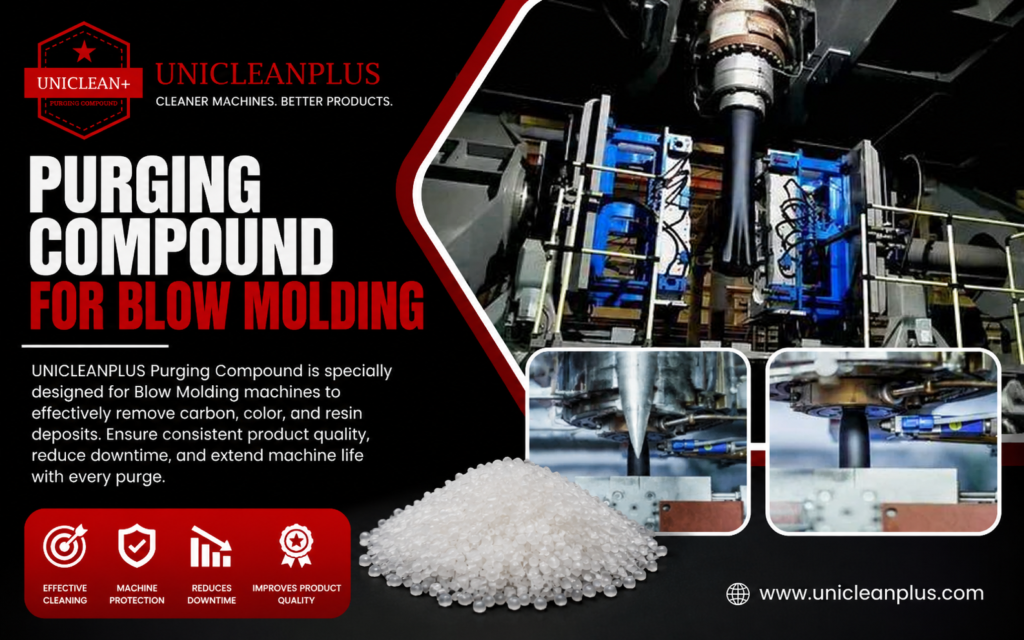
It’s one reason many facilities rely on a dedicated Purging Compound for Blow Molding instead of attempting to push large volumes of production resin through the machine.
The goal isn’t simply to move material through the system. The goal is to remove contamination before it reaches finished products.
They Pay Attention to Scrap Patterns
Most facilities track scrap. Not every facility studies it closely. A supervisor with years of experience will often notice patterns before reports reveal them.
Perhaps defects increase after certain color changes.
Maybe one machine consistently produces contamination after extended production runs.
Sometimes the issue isn’t the machine at all. It may be a cleaning process that gradually became less effective over time.
Those patterns are easy to miss when everyone is focused on daily production targets.
They Think Beyond Today’s Run
This is probably one of the biggest differences. Newer teams often focus on getting the current changeover completed. Experienced supervisors are already thinking about the next one.
Will residue left behind today create problems later?
Will the cleaning method save time now but create contamination next week?
Could a better purging process reduce future downtime?
Those questions don’t always have immediate answers, but they help prevent recurring problems.
Why Cleaning Efficiency Matters
In many facilities, the true cost of a difficult changeover isn’t measured in resin usage.
It’s measured in production hours.
A line sitting idle for an extra hour affects schedules, labor, delivery commitments, and output. That’s why supervisors often look for cleaning methods that improve consistency rather than simply reducing material consumption.
A properly selected Purging Compound for Blow Molding can help remove residual resin, carbon build-up, and contamination that standard production materials often leave behind.
That consistency becomes valuable when production schedules are tight.
UNICLEANPLUS™ develops purging solutions designed to support blow molding operations through cleaner transitions, reduced contamination risks, and improved process efficiency. The goal isn’t complicated. Help processors spend less time dealing with avoidable cleaning issues and more time producing quality parts.
FAQs
How can we tell if the machine isn’t fully clean?
Usually the signs show up pretty quickly. A few black specks, a color streak, or contamination appearing after startup often means some residue is still hanging around inside the machine.
Why do some changeovers create more scrap?
There’s usually a mix of factors involved—material type, color change, machine condition, and cleaning effectiveness. Sometimes a small issue during changeover creates a lot of waste later.
Does every blow molding operation need a purging compound?
Not always. But facilities handling frequent color or material changes often find that a dedicated purging compound helps keep changeovers cleaner and more predictable.
What’s a common changeover mistake?
Rushing back into production too soon. We’ve seen teams save a few minutes during cleaning, only to lose much more time later dealing with scrap, defects, or another shutdown.
If your team is looking for ways to reduce contamination, shorten cleaning cycles, and improve consistency during changeovers, UNICLEANPLUS™ can help evaluate your process and identify practical solutions tailored to your operation.